Every now and then a project comes up that I get really excited about. When I was asked to photograph the newest Philippine World Heritage Site, Mount Hamiguitan, I knew right away that this would be an amazing project to work on
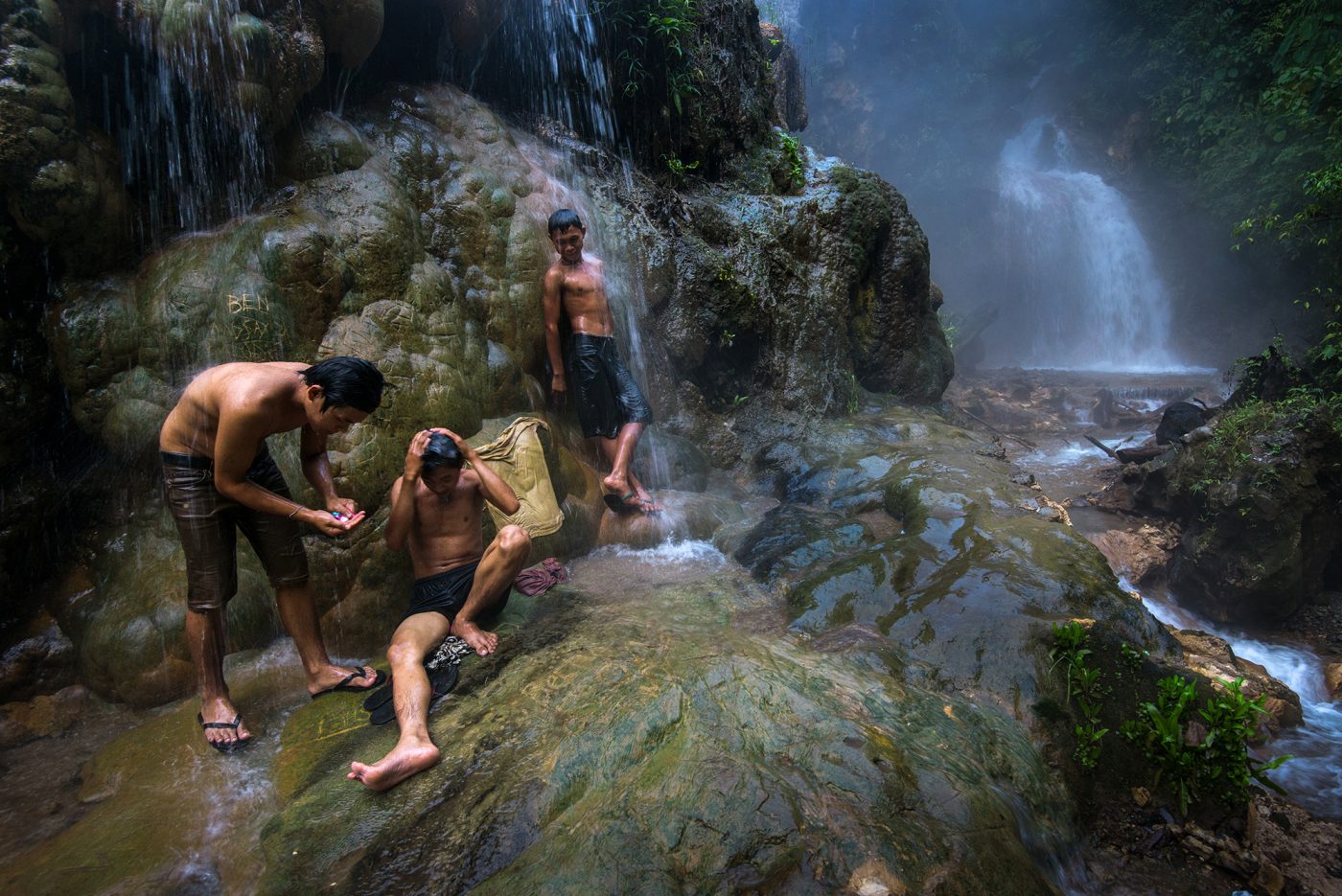
Considered one of the 18 indigenous ethnolinguistic Lumad groups in Mindanao, the native Mansaka continued their way of life during the hundreds of years of migrations and inter-marriages of the Malays, Indonesians and the Chinese. Although the Mansaka people evolved over time, they were never heavily influenced by the Spanish during their colonization.
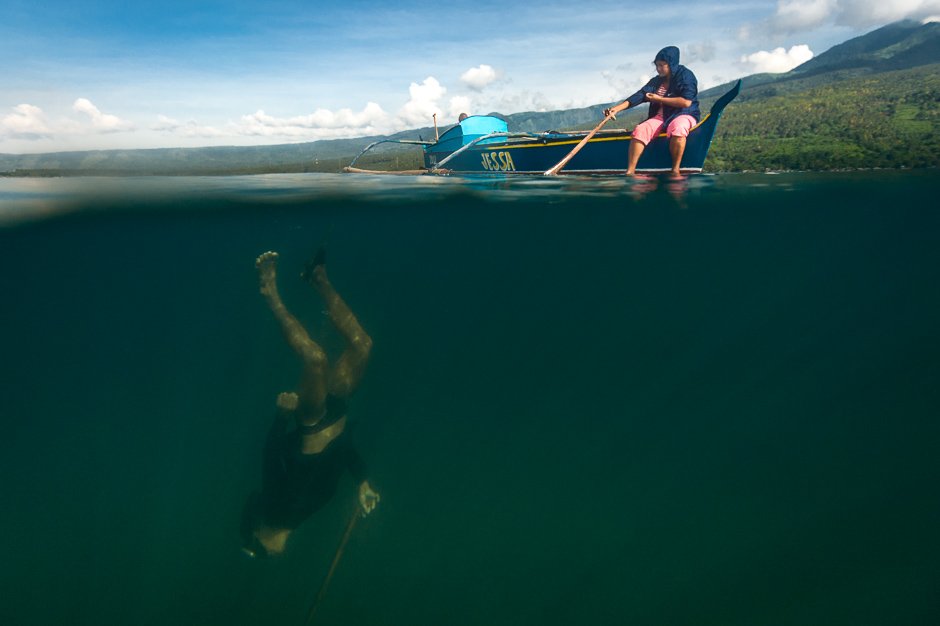
A blog post is well past due and it always amazes me how fast time goes by. Since my trip to the Cordilleras last April/May I feel like things have been non-stop making time soar by even faster. The past few months have mostly been filled with planning and getting things in line for the upcoming year with some intermittent travel, assignment work and workshops. The most exciting event I have been planning for is my first solo exhibit this coming January in Manila. The exhibit is entitled “The Forgotten Ten” which refers to the some 10 to 20 percent of the Philippine population considered to be indigenous.
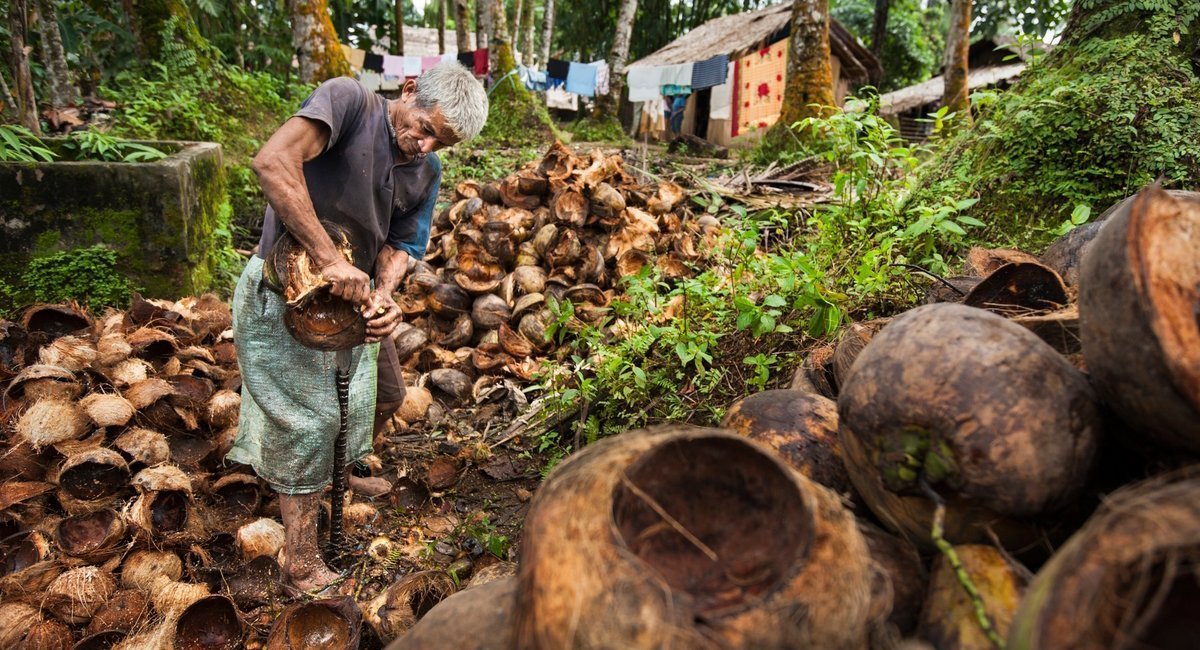
The past couple of months have been action packed with lots of traveling, learning and thinking of the year ahead. Inevitably, when one starts to think about the challenges and hopes for the future we find ourselves reflecting on the past. It was this time last year that my wife and I finished a successful Kickstarter campaign for the Katutubong Filipino Project (Indigenous Filipino people project). It feels like a lot longer than a year ago that we ventured into this project, but we are thankful for it and for all of the people we have meet because of it. We are still working on the project with two major areas still to visit with our Kickstarter funds.
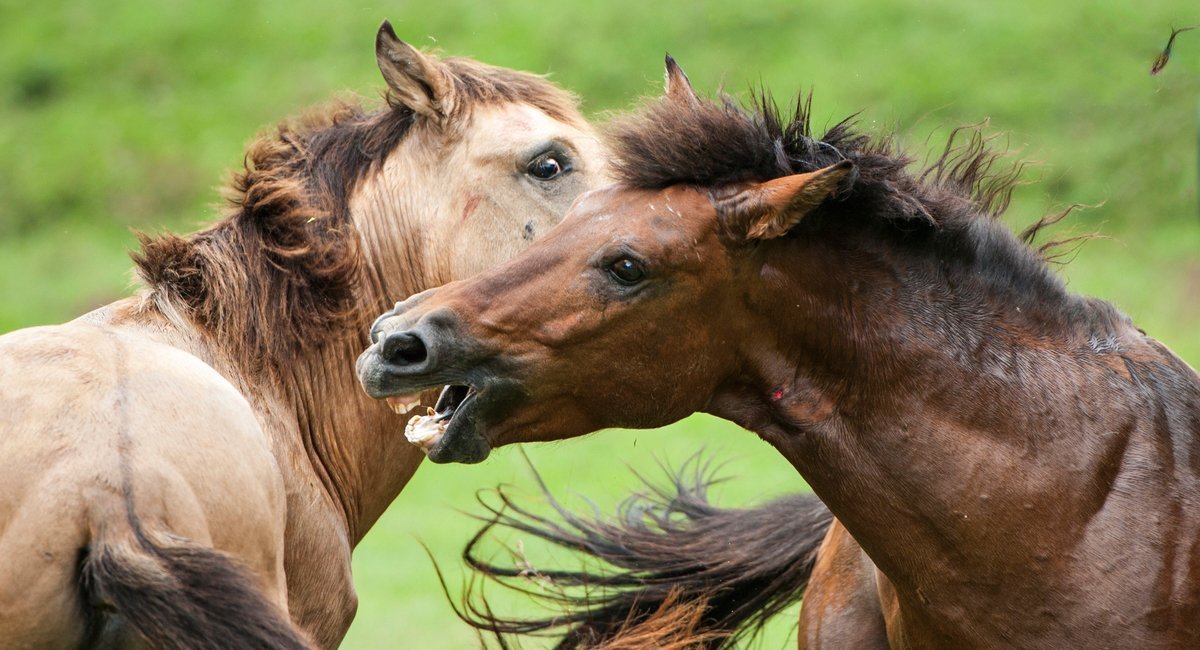
Over the past month I have made two separate trips to Mindanao in the hopes to document the ethnic sport of horse fighting that is still occasionally practiced by the areas Lumads (indigenous peoples). My first trip was during Davao’s Kadayawan Festival, which is an annual week long celebration featuring the different tribes from Davao. This festival is like most other festivals in the Philippines, complete with street dancing, beauty pageants and plenty of people walking around the streets. In years past horse fighting was one of the side events at the Kadayawan Festival and was the sole reason I made the trip to Davao. Sadly, the tribal Chieftain, Datu Causing Ogao, who was in charge of this years horse fighting was murdered only three weeks before the festival. This murder was one of three tribal murders in the same time frame throughout this part of Mindanao.
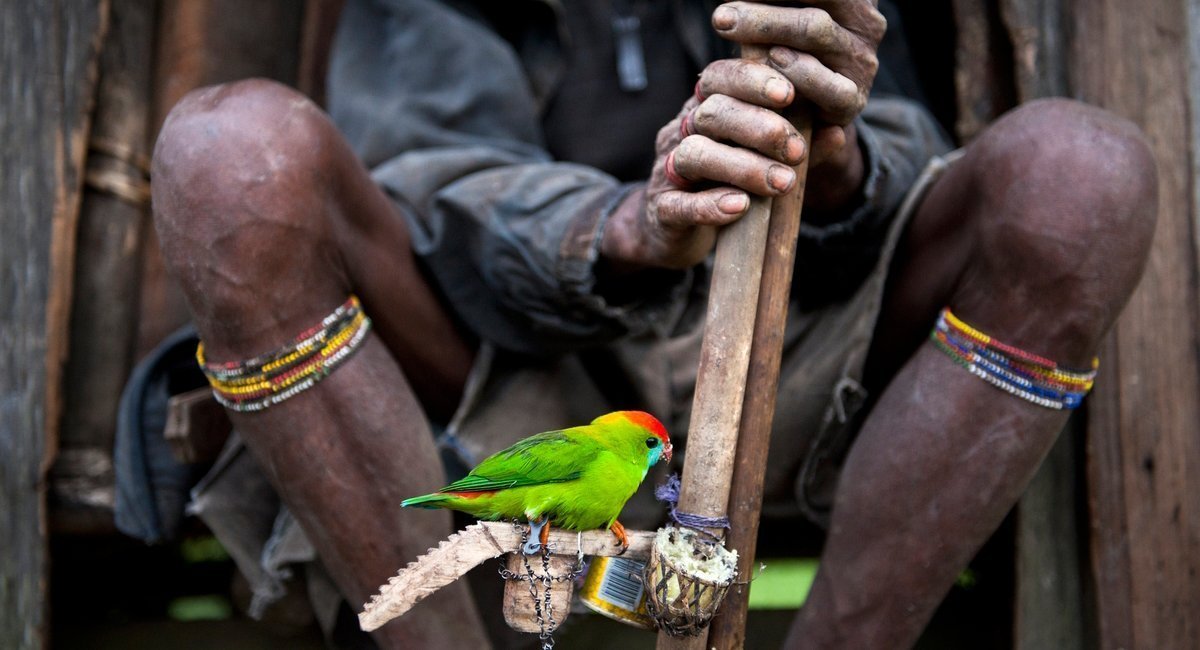
The Bukidnon plateau is home to seven of the 18 different indigenous groups found in Mindanao. After doing some research I decided it would be a great place to visit for starting the Katutubong Filipino Project. Although our travel to Bukidnon was fairly short we learned a lot about the Lumad people (the Visayan word collectively used for all indigenous people in Mindanao). We spent most of the week with a Manobo community high in the mountains of San Fernando municipality. The Manobo people are just one of the 18 Lumad groups found in Mindanao, however, they have a number of subgroups with slight language differences and practices. The different Manobo tribes are semi-autonomous from the Philippine government and have their own laws, practices and judgements given by tribal chieftains (Datus).
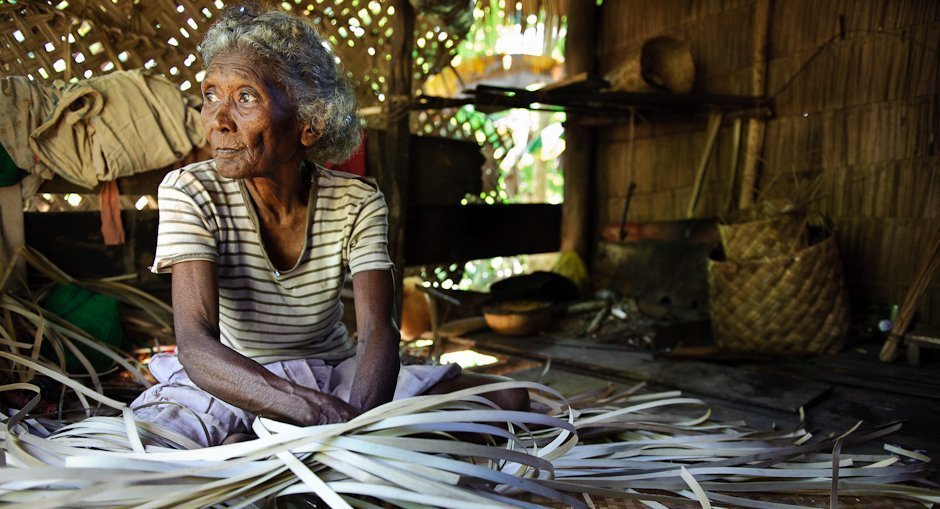
I’m back in Mindanao and wanted to share some images from the past few days. I have been here looking to photograph some of the indigenous peoples in the northern region of the island, and it has proven to be somewhat difficult. Despite one very disappointing day we were able to find a small Mamanwa community that allowed us to photograph them. I won’t go into detail here about the difficulties, but it basically involves the tribes wanting a significant amount of money to let us document them. I have had very gracious hosts the past few days in Bayabas, Surigao del Sur.
I recently returned back from a ten day trip to Mindanao earlier this week. The second half of my trip took me to the southern part of Mindanao, mostly in the Soccsksargen region (This name is an acronym that stands for the region’s four provinces and one of its cities: South Cotabato, Cotabato, Sultan Kudarat, Sarangani and General Santos City).