People of the Mountains – Igorots of the Cordilleras
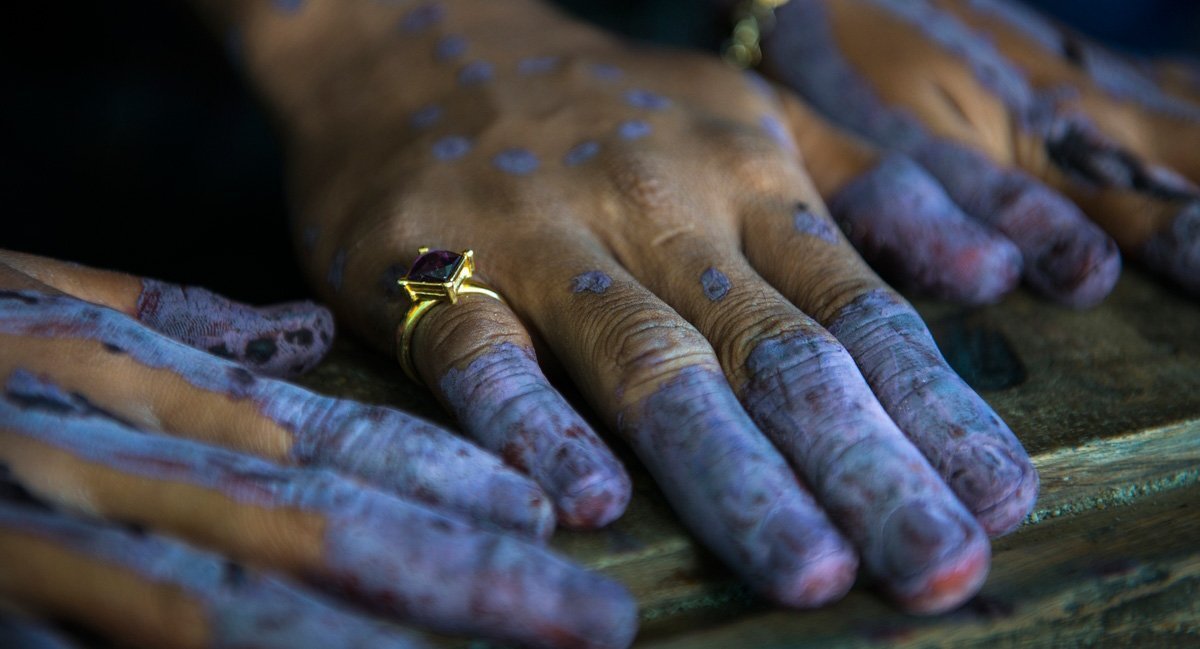
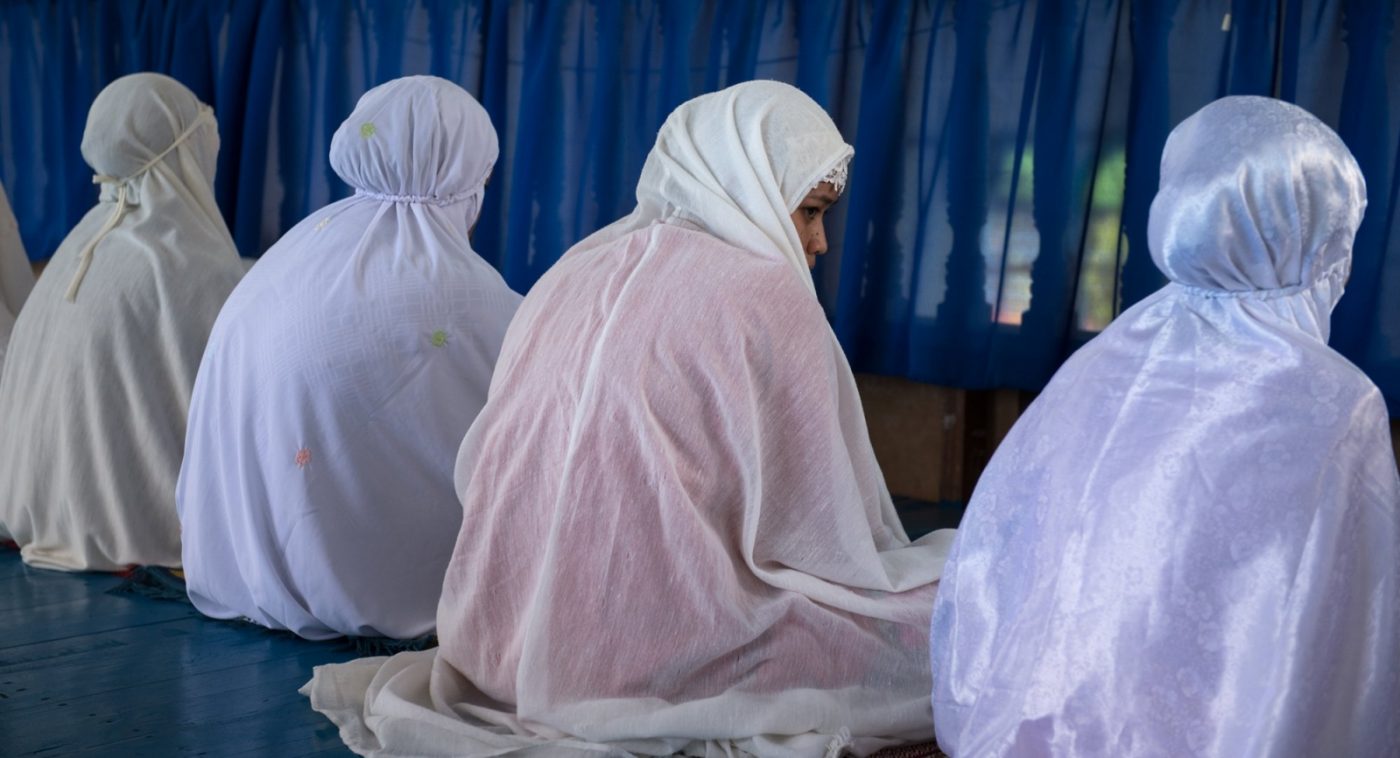
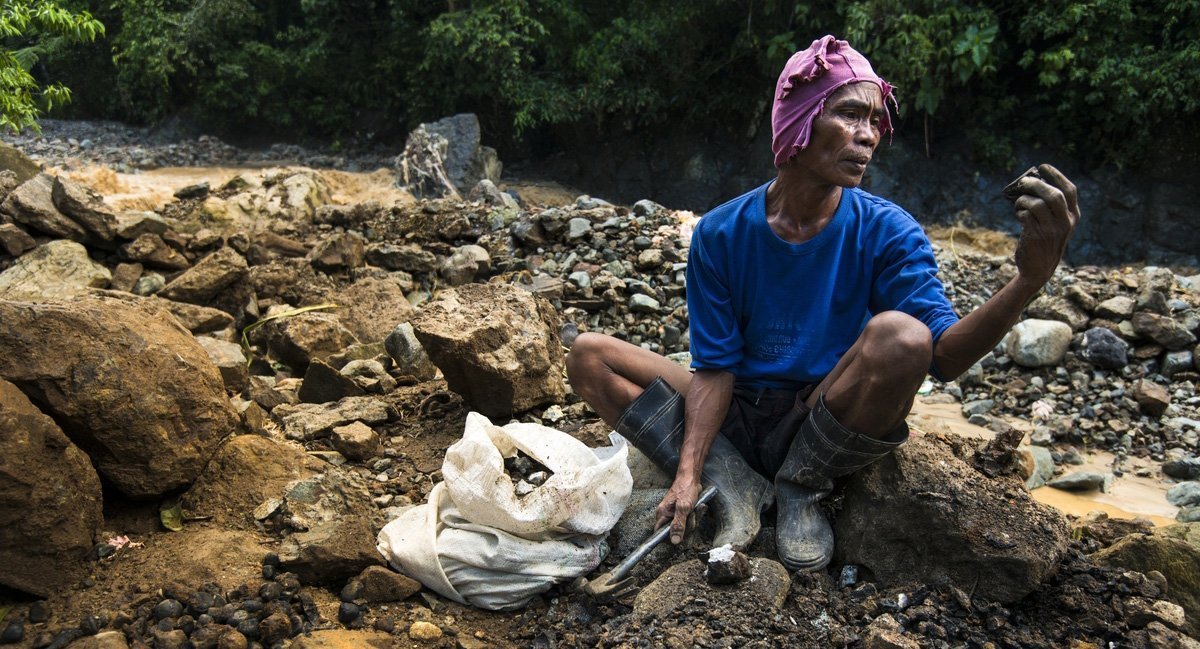
Three weeks in the Cordilleras of Luzon and I feel like I have only scratched the surface of experiencing the rich cultures that make up the Igorot people. This is a common trend I have experienced while working on the Katutubong Filipino Project and one reason I hope to extended the project longer term, perhaps for another three years. More time is needed. This is especially true when trying to tell the story of the Igorot people who live in six different provinces with over 20 tribes all speaking different languages, practicing different rituals, and have different beliefs and cultures. Visiting the Cordilleras was like stepping into another country for me, a drastic change in geography and people’s general positive outlook and attitude toward their own way of life.
Workshops, Sinulog and Reflection on the Past Year
The past couple of months have been action packed with lots of traveling, learning and thinking of the year ahead. Inevitably, when one starts to think about the challenges and hopes for the future we find ourselves reflecting on the past. It was this time last year that my wife and I finished a successful Kickstarter campaign for the Katutubong Filipino Project (Indigenous Filipino people project). It feels like a lot longer than a year ago that we ventured into this project, but we are thankful for it and for all of the people we have meet because of it. We are still working on the project with two major areas still to visit with our Kickstarter funds. After these two areas, I’m excited to continue and make this a long term project of mine. One year really just let us scratch the surface of what this project entails and I would like to look for grants and other means this year to continue photographing more groups and communities.
The Mangyan of Mindoro
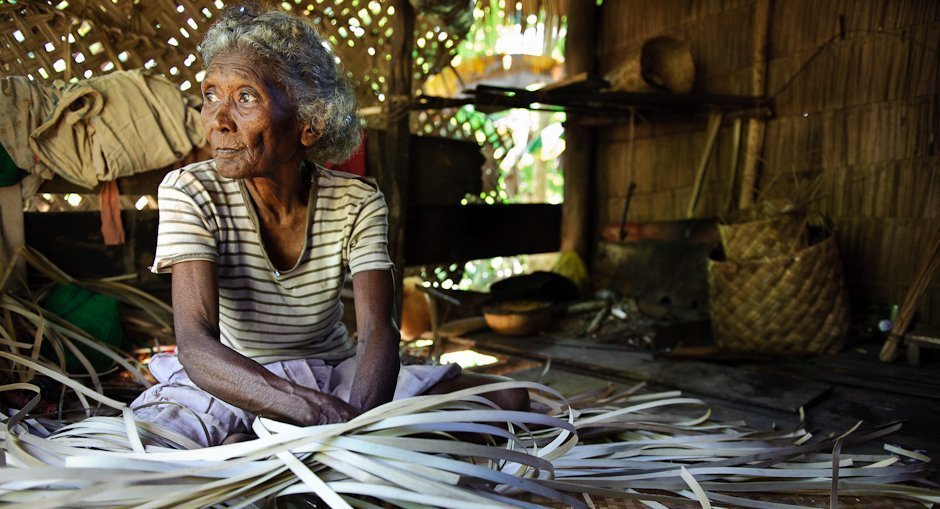
Last month I made a long awaited trip to the island of Mindoro to visit some of the different Mangyan groups there. This trip took a few months to arrange and I was very excited our journey happened as I have been wanting to visit Mindoro for a long time. Although, we knew it would not be easy to get access to the different communities we wanted to visit, our contacts and non-stop effort explaining and promoting the Katutubong Filipino Project helped us significantly on this trip. There are 8 different Mangyan groups (Iraya, Alangan, Tadyawan, Tau-buid, Bangon, Buhid, Hanunoo and Ratagnon) on the island of Mindoro and all are distinctively different including their languages. Mangyan is just the collective term used for the indigenous peoples found on Mindoro.
On Mindanao’s Lumads and Horse Fighting

Over the past month I have made two separate trips to Mindanao in the hopes to document the ethnic sport of horse fighting that is still occasionally practiced by the areas Lumads (indigenous peoples). My first trip was during Davao’s Kadayawan Festival, which is an annual week long celebration featuring the different tribes from Davao. This festival is like most other festivals in the Philippines, complete with street dancing, beauty pageants and plenty of people walking around the streets. In years past horse fighting was one of the side events at the Kadayawan Festival and was the sole reason I made the trip to Davao. Sadly, the tribal Chieftain, Datu Causing Ogao, who was in charge of this years horse fighting was murdered only three weeks before the festival. This murder was one of three tribal murders in the same time frame throughout this part of Mindanao.
Back in the Sierra Madres with our Agta Friends

Things often do not turn out the way you might expect them to. Such was the case during my recent trip back to the Sierra Madres. I returned to a part of Isabela and Cagayan provinces to visit some old Agta friends from last year. Upon returning this time I had a plan to go on a hunt with some of the men, a hunt for wild pig, deer or monkey. These are game items that the Agta still hunt for occasionally in the forest to eat or sell to locals. I was excited about this trip and thought with the contacts I had made everything would fall into place fairly easily. However, I couldn’t have been more wrong. Uncontrollable circumstances such as bad weather, broken transportation, and previous obligations of my contacts lead to a serious amount of time waiting.
Lào Cai Province of Northern Vietnam

Lao Cai province of northern Vietnam borders the Chinese border and is home to a number of different ethnic minorities that have lived in the area for centuries. I came to Vietnam with very few expectations as our time was relatively short and our tickets were bought over six months ago. The original purpose of this trip was a mini-vacation of sorts and out of necessity to leave the Philippines for my visa renewal. We flew into Hanoi and decide to head straight to Lao Cai Province after a couple of days in this fast pace city. Parts of Lao Cai are fairly popular tourist destinations because of the beautiful landscapes and colorful minorities that live there, especially the mountain city of SaPa.
The Palawan Tau’t Bato of Singnapan Valley

Singnapan Valley in southern Palawan is a place I have wanted to visit for a long time now. It was a couple of years ago that I came across some images online of the Tau’t Bato tribe and it has intrigued me ever since. The remoteness of the Singnapan valley is what first caught my attention and then the interesting stories that the people there live in large caves during the rainy season. Thus, their name Tau’t Bato – Dwellers of the rock. There are a handful of travel blogs and some videos online of other foreigners and Filipinos making the trek to Singnapan. This area is also home to Mount Mantalingahan, the highest peak in Palawan and an occasional destination for hardcore mountaineers. I am always somewhat skeptical of visiting a place when I see this, as I always want to try and visit new places with new faces. However, from what I gathered there are really very few individuals who travel here and that was confirmed when we arrived and talked with our guide. We were only the second visitors to the area this year. Likewise, for the Katutubong Filipino Project this was an area we needed to visit so it was destine that we would make the long journey into the jungle to visit the Tau’t Bato.
Coron and the Calamian Tagbanua

It’s been eight years since I was last in northern Palawan during my Peace Corps days. Back then I spent a lot of time in Coron and Busuanga doing marine surveys and remember how beautiful the islands were in this part of the country. This time my travels brought me to Coron to photograph the Calamian Tagbanua people, one of a number of different indigenous groups found in Palawan. During the months I spent in Coron years ago I remember isolated fishing communities that harvested seaweed and octopus. I also remember the picturesque tropical islands, especially Coron Island which stands tall above most of the others with its karst limestone cliffs. It was these memories in part that made me want to return and explore the area with my camera.
Into the Mountains with the Tigwahanon Manobo

The Bukidnon plateau is home to seven of the 18 different indigenous groups found in Mindanao. After doing some research I decided it would be a great place to visit for starting the Katutubong Filipino Project. Although our travel to Bukidnon was fairly short we learned a lot about the Lumad people (the Visayan word collectively used for all indigenous people in Mindanao). We spent most of the week with a Manobo community high in the mountains of San Fernando municipality. The Manobo people are just one of the 18 Lumad groups found in Mindanao, however, they have a number of subgroups with slight language differences and practices. The different Manobo tribes are semi-autonomous from the Philippine government and have their own laws, practices and judgements given by tribal chieftains (Datus).
The Agta & Dumagat of Isabela

I just returned from a two week trip to Isabela province in northern Luzon to document the Agta and Dumagat Indigenous people in the area. Oma and I traveled for three days to reach our destination; starting in Manila we traveled by bus for two days and then took a 15 hour boat ride on a small outrigger full of cargo to reach the towns of Divilacan and Maconacon. These two towns are separated from “main land” Luzon by the Sierra Madre mountains. There are no roads going here and the towns are only accessible by boat or a small plane. The remoteness of the area is what initially attracted me because I was hoping to find something more authentic, something different from other places I have been to in the Philippines.
Olango Island Starfish Trade

I was doing some research recently and decided to see what the small island of Olango had to offer because of its proximity to Cebu. I knew the island had a bird sanctuary that is a popular birding destination, but I wanted to see what else the island might have to explore. While searching through some photos I noticed one image of a women standing next to a giant pile of starfish. The image was striking to me because I had never seen so many dead starfish before. I started to dig a little deeper and was able to find that one barangay in Olango island is known to export seastars, shells, urchins and sand dollars. I decided to go and have a look because I couldn’t believe that starfish in this amount could be harvested and sold. For what? I was thinking.
On the Road in Mindanao

I’m back in Mindanao and wanted to share some images from the past few days. I have been here looking to photograph some of the indigenous peoples in the northern region of the island, and it has proven to be somewhat difficult. Despite one very disappointing day we were able to find a small Mamanwa community that allowed us to photograph them.
The Vegetable Farmers of Mantalongon

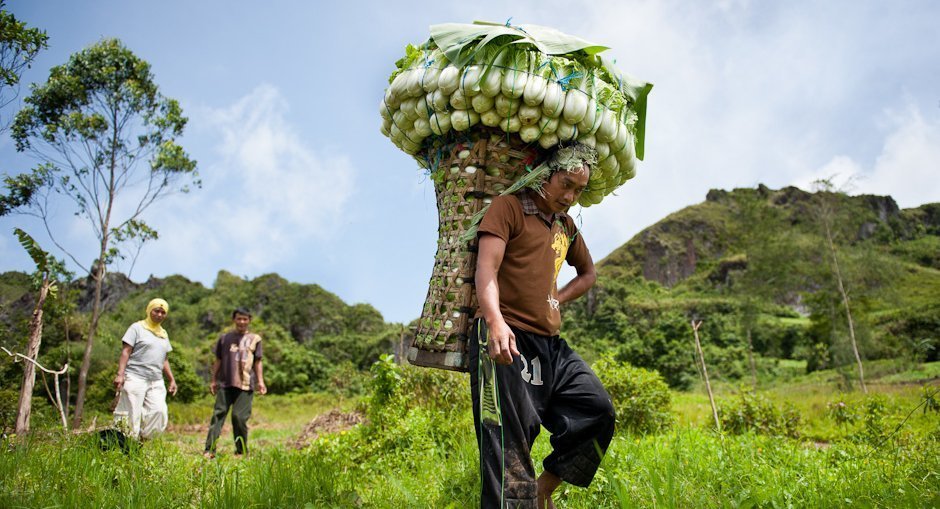
I have heard numerous times now of a mountain town here in Cebu where the weather is cooler and vegetable farmers carry large baskets of produce on their heads. I have always had a small interest in going to see what this was all about, but a part of me never thought it would be too interesting – vegetables are really not that exciting. Again, I was reminded of this place last week when my brother-in-law went on a day hike in the area and showed me some pictures of the farmers carrying these large baskets. I decided I should go and visit the small town of Mantalongon and explore how vegetables are harvested.
Donsol’s Shrimp Fishermen

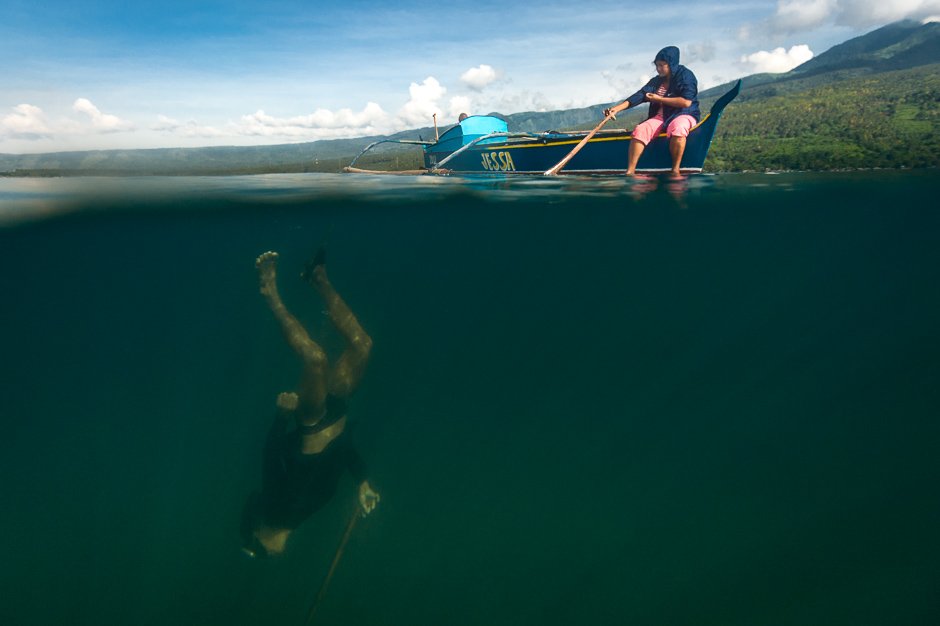
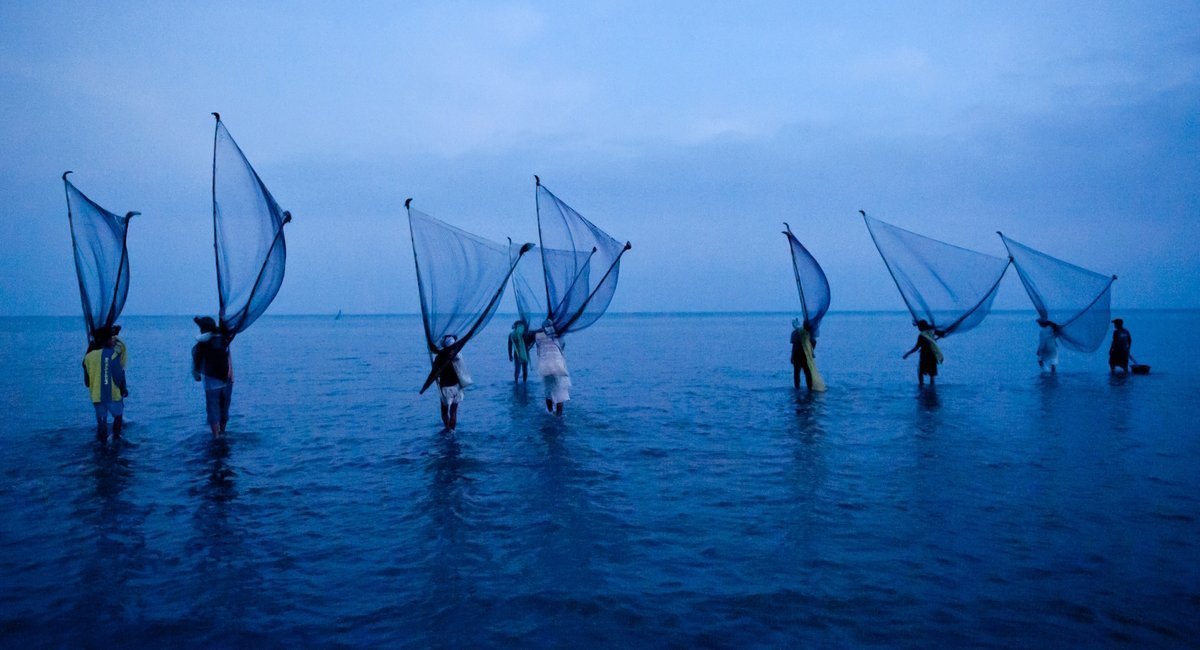
The town of Donsol in Sorsogon is agreeably more known for the whale sharks that abound in the area. However, it is hard not to notice as well these men scattered out in the water during sundown with their big, wide nets. They are ‘shrimp farmers’ – fishermen collecting shrimp by dragging the net at the bottom of the ocean and sorting through the algae by lifting the huge thing up to their waist. On their backs are plastic containers where they throw the shrimp in. They do this for a few hours, going back and forth, and in one evening, they can harvest one to two kilos of mid-sized shrimp.
The Whale Sharks of Donsol

I’ve spent the last two days enjoying a unique experience that is becoming more and more popular with both foreigners and locals here in the Philippines. Donsol is one of the few places in the world where you can swim with the largest of fish, the Whale Shark or Butanding in Tagalog. Coming to Donsol is something I have wanted to do for a long time, but because of the short Whale Shark season I have never made it until this year (however, we found out the season here is actually from December to June, not only March and April like we thought). I have heard a lot of good things about how the Whale Sharks have helped this community with tourism and how well it is being managed, from a conservation standpoint.
Flying the Goose to Akutan

I had a unique experience the other day, when making my way from Dutch Harbor to the small village of Akutan in the Aleutian Islands, Alaska. I was a passenger on the land/water plane called the Grumman Goose. There are not too many of these made anymore (since WWII), and they are especially useful here where the plane must land without a runway. The flight was only about 20 minutes once airborne, but it was a beautiful trip. The pilot let me sit in the co-pilots seat up front (which was a first for me) and that gave me the best view to try and take some pictures.
Winter in Alaska is here, fishing continues…

Winter is officially here and what a great way to start the season…with a lunar eclipse on a clear, cold night. The snow and cold weather has been a nice change for me and I’m looking forward to getting out and enjoying it during the next few days. I have been getting on and off fishing boats for the past six weeks and I finally have a few days off to enjoy the snow and outdoors. I believe some cross country skiing will be first on my list of fun activities. I’ll be heading back out to sea from Dutch Harbor the day after Christmas, which means my time in Alaska is winding down. Well…a couple of more months here and then back to tropical Cebu.
Northwest to the Southeast and back again

I’m just checking in as I have been moving around for the past couple of weeks. I arrived into Seattle after another boat trip in Alaska over a week ago. It’s been fun exploring the city and spending some time with a good college friend there. I’m now in Daytona, Florida at the Harley Davidson rally for a week of Boogey Lights and the biker folks. I’m hoping to get some nice portraits of the bikers while here. I will be back in Seattle early next week and then heading up to Alaska again for some more time on the ocean.
More from Dutch Harbor, Alaska

I’m back in Dutch Harbor after being out at sea for the past month and a half. I have been observing on long-line commercial fishing vessels fishing for Pacific Cod in the Bering sea. It was a long time out and I must say it’s nice to be back on land. I wanted to share some more images from this beautiful part of the world where bald eagles and rainbows can be found on any ordinary day. I had some great shooting days before I left to sea last month. Now the weather in Dutch is getting cold and windy and its hard to stay outside for very long.
Dutch Harbor and the Aleutian Islands, Alaska

I arrived into Dutch Harbor, Alaska yesterday after spending the last month in Anchorage. I am doing a short term job working as a fisheries observer aboard commercial fishing vessels here, and will be off on a long-liner fishing for Pacific Cod in the next day or two. Many of you may be familiar with Dutch Harbor from the TV show the “Deadliest Catch.” It’s a small fishing port town in the middle of the Aleutian Islands where most vessels fishing in the Bering Sea unload their catch. I’ll be working here for the next few months with plans to be back in Cebu by the end of November.
Soccsksargen and the B’laan Indigenous Peoples

I recently returned back from a ten day trip to Mindanao earlier this week. The second half of my trip took me to the southern part of Mindanao, mostly in the Soccsksargen region (This name is an acronym that stands for the region’s four provinces and one of its cities: South Cotabato, Cotabato, Sultan Kudarat, Sarangani and General Santos City). It was my first time to travel to this part of the Philippines and I don’t know why I waited so long to visit.
Mangrove Environmental Awareness Project

I have been working on an environmental outreach project the past few days in Bayabas, a municipality in Surigao del Sur, Mindanao. I was invited to come here and photograph their mangroves and other coastal vegetation for a local photo exhibit. This public exhibit will be used to help educate residents about the importance of their mangroves and coastal resources.
Photographing My Backyard Market

Wherever I travel I often find myself photographing local markets. I find a great amount of life and energy in markets and I think that’s the main reason I’m drawn to them. The high energy mixed with the variety of people/personalities and colors usually makes local markets a must place for me to photograph when in a new location. Aside from being good photographic locations, I love trying new foods, smelling new smells (and not all are pleasant), and enjoy watching the daily life of people all around me. It still amazes me that to many people these markets are their way of life. This is what they do day in and day out, whether it be selling vegetables or gutting fish. It still humbles me.
New Year thoughts and whereabouts
It’s been well over a month since my last blog entry and I feel it’s time to let the world know what I’ve been doing and thinking. Since arriving back to Cebu in Mid-December I have been in the process of reorganizing my entire photo database. I am now using Adobe’s Lightroom v2.6 and have [...]

Jacob is a freelance travel, culture and documentary photographer based in the Philippines. His passion lies in creating images that communicate a strong sense of place and cultural awareness in unique, challenging situations. His photographs often reflect his background in conservation and explore issues related to the human condition and natural world.